
After going up in recent years, employee engagement in the U.S. saw its first annual decline in a decade, dropping from 36% in 2020 to 34% in 2021, according to Gallup data.
This pattern has continued into early 2022, as 32% of full- and part-time employees working for organizations were engaged, while 17% are actively disengaged, an increase of one percentage point from the previous year.
The researchers said that some of the elements that decreased the most during this period were people’s level of agreement that they have clear expectations, the right materials and equipment, the opportunity to do what they do best every day, and a connection to the mission or purpose of their organization.
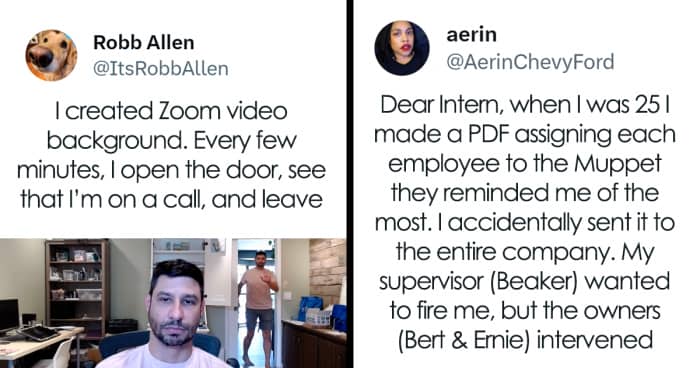
But to get a better understanding of how these factors manifest in real life, let’s take a look at the Instagram account ‘Employed AF.’ It shares memes about the struggles in jobs from all sorts of industries, hilariously describing what it’s like to be a part of the modern workforce.
More info: Instagram
#1

#2

Employers should take note of these memes too. In a perfect world, they should be aware of their workers’ emotional state. “Disengaged, unhappy people aren’t any fun to work with, don’t add much value, and impact our organizations (and our economy) in profoundly negative ways,” says Annie McKee, who is a senior fellow at the University of Pennsylvania Graduate School of Education and the director of the PennCLO Executive Doctoral Program.
“It’s even worse when leaders are disengaged because they infect others with their attitude. Their emotions and mindset impact others’ moods and performance tremendously. After all, how we feel is linked to what and how we think. In other words, thought influences emotion, and emotion influences thinking.”
#3

#4

#5

McKee believes that it’s time to finally blow up the myth that feelings don’t matter at work.
“Science is on our side,” she says. “There are clear neurological links between feelings, thoughts, and actions. When we are in the grip of strong negative emotions, it’s like having blinders on. We focus mostly — sometimes only — on the source of the pain. We don’t process information as well, think creatively, or make good decisions. Frustration, anger, and stress cause an important part of us to shut down —the thinking, engaged part. Disengagement is a natural neurological and psychological response to pervasive negative emotions.”
#6

#7

#8

#9

Over the span of a few years, McKee and her team at the Teleos Leadership Institute have set out to study dozens of organizations and interviewed thousands of people.
Their findings about the links between people’s feelings and engagement are fascinating. “There are clear similarities in what people say they want and need, no matter where they are from, whom they work for, or what they do,” she explains. “We often assume that there are huge differences across industries and around the world but the research challenges that assumption.”
#10

#11

#12

#13

To be fully engaged and happy, virtually everyone told the researchers they wanted three things, starting with a meaningful vision of the future.
“When people talked with our … team about what was working or not in their organizations, and what helped or hindered them the most, they talked about vision,” McKee shared.
“People want to be able to see the future and know how they fit in. And, as we know from our work with Richard Boyatzis on intentional change, people learn and change when they have a personal vision that is linked to an organizational vision.”
Sadly, far too many leaders do not paint a very compelling vision of the future and they don’t communicate well. This is a major reason why they lose people.
#14

#15

#16

#17

Then, there’s a sense of purpose. “People want to feel as if their work matters, and that their contributions help to achieve something really important,” McKee continued.
“And except for those at the tippy top, shareholder value isn’t a meaningful goal that excites and engages them. They want to know that they — and their organizations — are doing something big that matters to other people.”
#18

#19


#21

Finally, we have great relationships. According to McKee, people join an organization and leave a boss, so a dissonant relationship with your superior is downright painful.
But so too are bad relationships with colleagues. Leaders, managers, and employees have all told the researchers that close, trusting, and supportive relationships are hugely important to their state of mind — and their willingness to contribute to a team.
#22

#23

#24

#25

Emotions matter a lot at work, and happiness is important to everyone. To find out more about the stuff that gets in its way, open up our previous publication on the ‘Employed AF’ Instagram account.
#26

#27

#28

#29

#30

#31

#32

#33

#34

#35

#36

#37

#38

#39

#40

#41

#42

#43

#44

#45

#46

#47

#48

#49

#50
